A plain-English guide
L-theanine: what it is and how people take it
L-theanine is an amino acid found naturally in tea leaves. It's one of the reasons a cup of tea feels different from a cup of coffee, and it's become a popular supplement around the world. This site explains what it is, what the research has looked at, and the different ways you can take it.

What is L-theanine?
L-theanine is an amino acid, but not one your body uses to build protein. It occurs almost only in the tea plant, Camellia sinensis, along with a few mushrooms. Japanese researchers first identified it in green tea in 1949, while studying where tea's savoury, umami taste comes from.
Every cup of black, green or white tea contains some L-theanine. The amount varies a lot with the type of tea and how it's brewed. Shade-grown Japanese teas such as gyokuro and matcha tend to contain the most.
As a supplement, L-theanine usually comes as capsules or powder, and more recently in drinks and oral pouches like Alyva. You can even find it in gum now, from brands like NeuroGum. Common supplement amounts are between 100mg and 200mg, which is far more than a typical cup of tea provides.
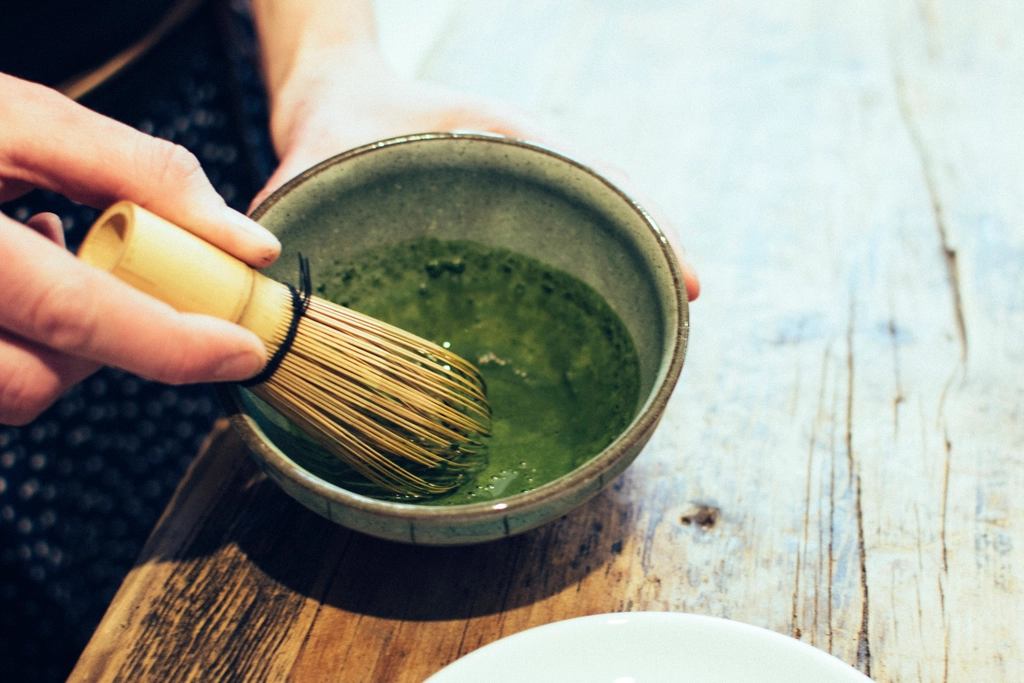
- Found in teaNaturally present in black, green and white tea
- 100–200mgThe usual amount in a single supplement serving
- Caffeine freeL-theanine is not a stimulant

Why do people take L-theanine?
Most people come to L-theanine through tea or coffee. Tea drinkers often describe a gentler feeling than coffee gives them, and L-theanine is a big part of tea's chemistry, so researchers have spent years studying it. One of the most studied areas is how it combines with caffeine.
It's worth being clear about one thing. L-theanine is sold as a supplement, and regulators in the UK and EU haven't authorised any health claims for it. Researchers have published dozens of human studies, but no specific benefit has been accepted as proven. We think that's useful to know, and we write our guides with it in mind.
Guides
Start here
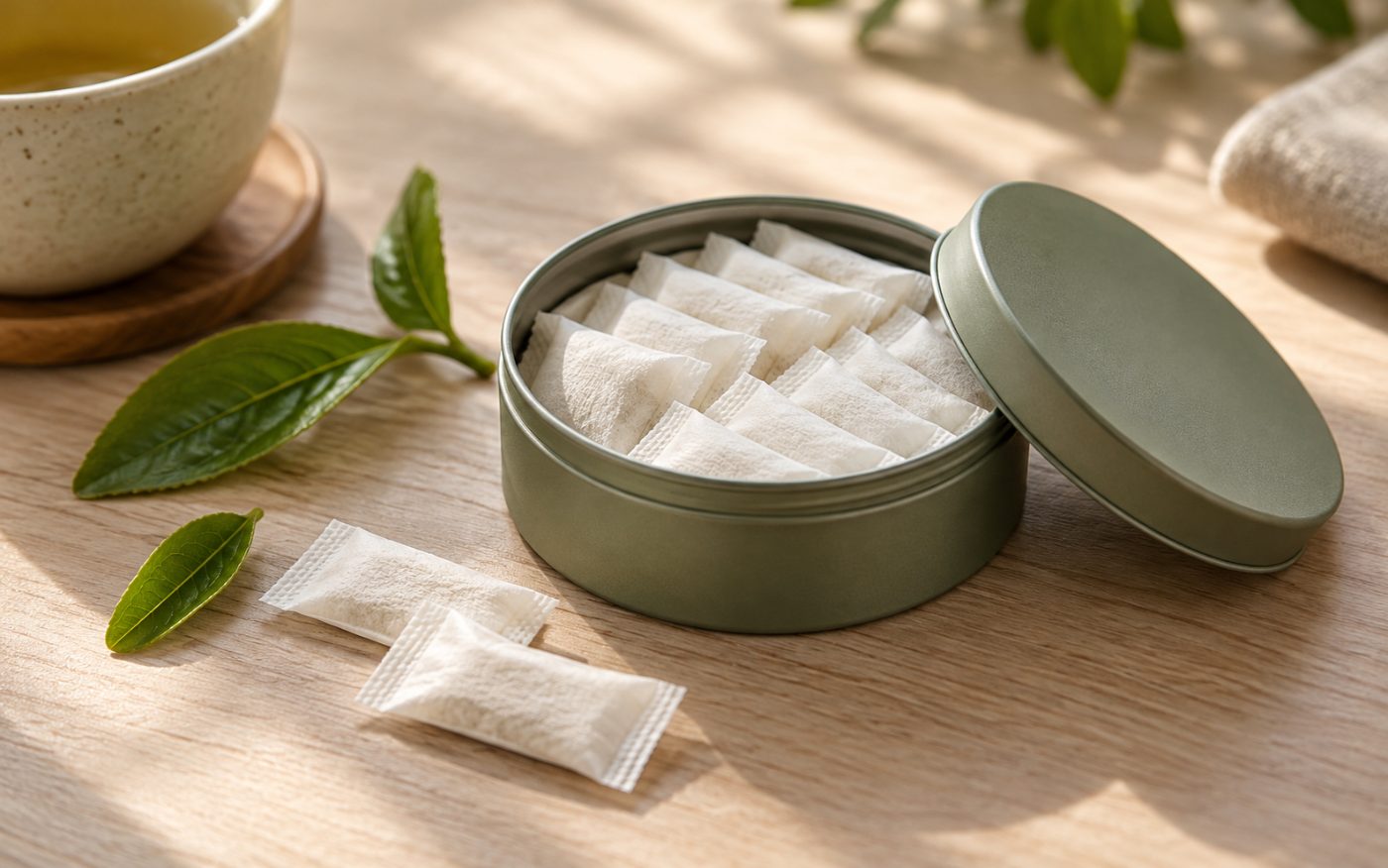
What are L-theanine pouches and how do they work?
The newest way to take L-theanine, explained: what's inside, how to use one, and how pouches compare with capsules.
Read guide →
L-theanine and coffee: why the pairing is so popular
What studies on L-theanine with caffeine actually found, and how people combine the two day to day.
Read guide →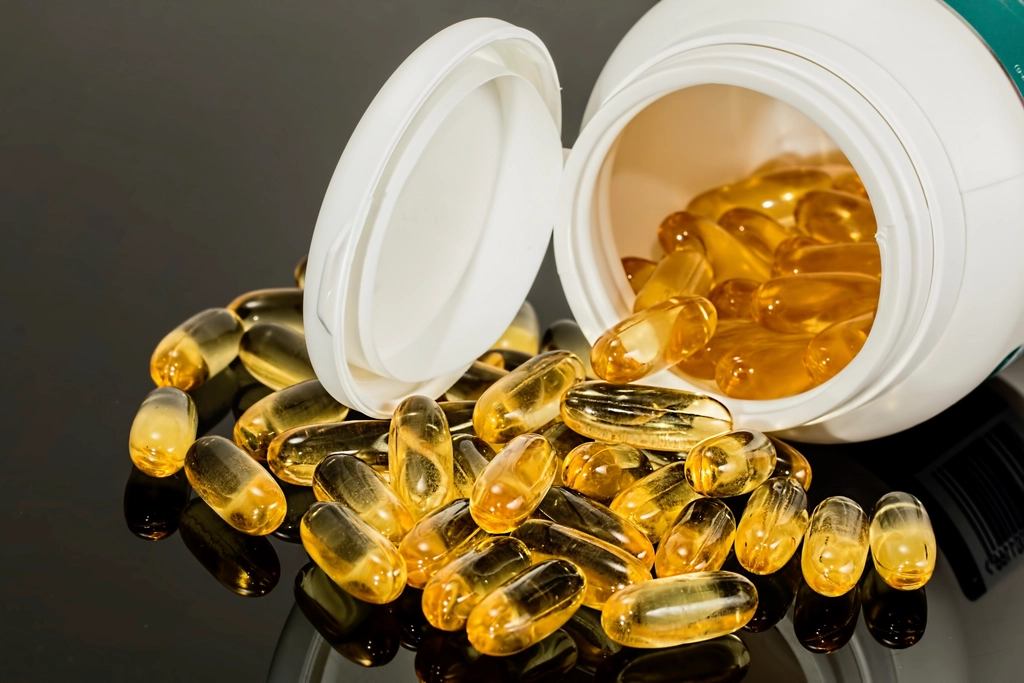
Best L-theanine: how to choose and how to take it
Capsules, powder, drinks and pouches compared, plus what to check on the label before you buy.
Read guide →